






How sunlight positively influences our gut microbiomes and therefore our digestive health.
28 February 2020 For many years we have raised the connection between sunlight and our ability to optimise health, through optimising mitochondrial function and biophoton activity as a key source of respiratory energy or adenosine triphosphate (ATP). However, it's great to see that science is beginning to identify the connection between light and our important health-promoting digestive bacteria profile, after all as identified by Herings Law of Cure most disease starts with some form of bowel disorder. So maybe a sun-soaked summer holiday does more for us than simply recharging our biophoton cellular batteries.
Tags:
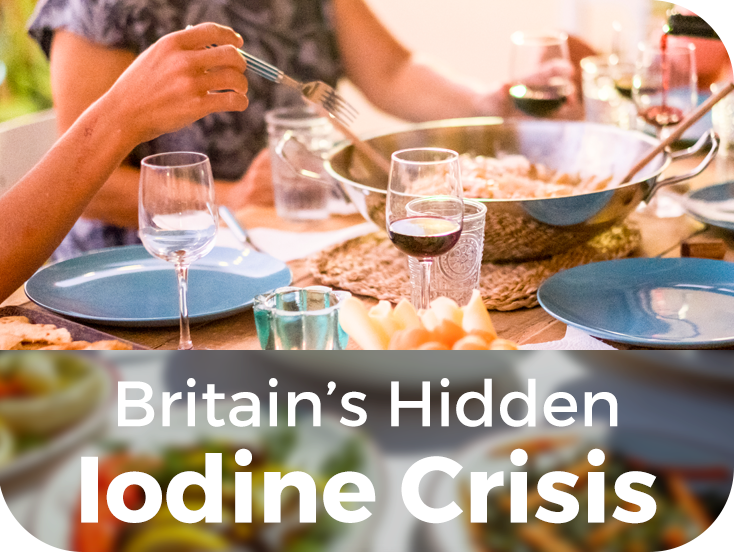 According to a study conducted by a team in Norway, the increased prevalence of veganism and certain other lifestyle factors is leading to a serious but previously hidden health problem: a growing number of people are becoming deficient in iodine. With iodine deficiencies found to be most common among vegans, research has revealed that only 14 percent of those who follow a plant-based diet have a high enough iodine intake from the food they ingest.
While this might sound like a minor issue, it can actually have some serious consequences, ranging from weight gain, fatigue, and weakness through to more troubling symptoms such as changes in heart rate and problems learning and remembering. Here’s what you need to know about the UK’s hidden health crisis.
According to a study conducted by a team in Norway, the increased prevalence of veganism and certain other lifestyle factors is leading to a serious but previously hidden health problem: a growing number of people are becoming deficient in iodine. With iodine deficiencies found to be most common among vegans, research has revealed that only 14 percent of those who follow a plant-based diet have a high enough iodine intake from the food they ingest.
While this might sound like a minor issue, it can actually have some serious consequences, ranging from weight gain, fatigue, and weakness through to more troubling symptoms such as changes in heart rate and problems learning and remembering. Here’s what you need to know about the UK’s hidden health crisis.
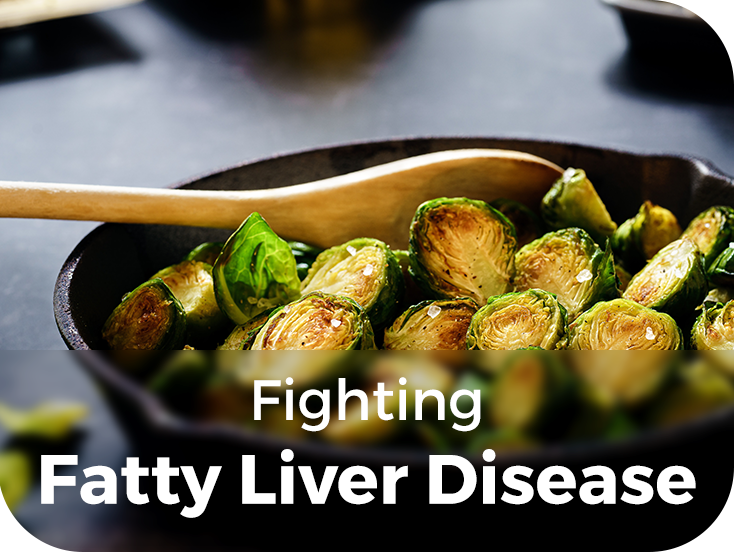 With our busy lifestyles, we rarely have time to consider the need to optimism our liver function, our second largest organ, that is responsible for so many vital functions connected to maintaining optimum health and wellbeing. We know that excessive consumption of alcohol has been connected the liver damage, yet less of us are aware of a new health condition referred to as non-alcoholic fatty liver disease, a build-up of unhealthy fat in the liver, that is reported to affect a staggering 1 in 3 people in the UK, with the potential to lead to serious liver damage, including cirrhosis of the liver, and is associated with conditions like high blood pressure, kidney disease, and even diabetes.
The good news is, there may be a natural remedy to reverse this worrying trend. The secret lies in many cruciferous vegetables, in particular Brussel sprouts and digestive gut bacteria (bowel flora) that contain or produce a compound known as indole. Naturally occurring, indole is found in many common foodstuffs, from cabbage and kale through to cauliflower and Brussel sprouts and could be key in fighting the rising levels of non-alcoholic fatty liver disease (NAFLD).
With our busy lifestyles, we rarely have time to consider the need to optimism our liver function, our second largest organ, that is responsible for so many vital functions connected to maintaining optimum health and wellbeing. We know that excessive consumption of alcohol has been connected the liver damage, yet less of us are aware of a new health condition referred to as non-alcoholic fatty liver disease, a build-up of unhealthy fat in the liver, that is reported to affect a staggering 1 in 3 people in the UK, with the potential to lead to serious liver damage, including cirrhosis of the liver, and is associated with conditions like high blood pressure, kidney disease, and even diabetes.
The good news is, there may be a natural remedy to reverse this worrying trend. The secret lies in many cruciferous vegetables, in particular Brussel sprouts and digestive gut bacteria (bowel flora) that contain or produce a compound known as indole. Naturally occurring, indole is found in many common foodstuffs, from cabbage and kale through to cauliflower and Brussel sprouts and could be key in fighting the rising levels of non-alcoholic fatty liver disease (NAFLD).
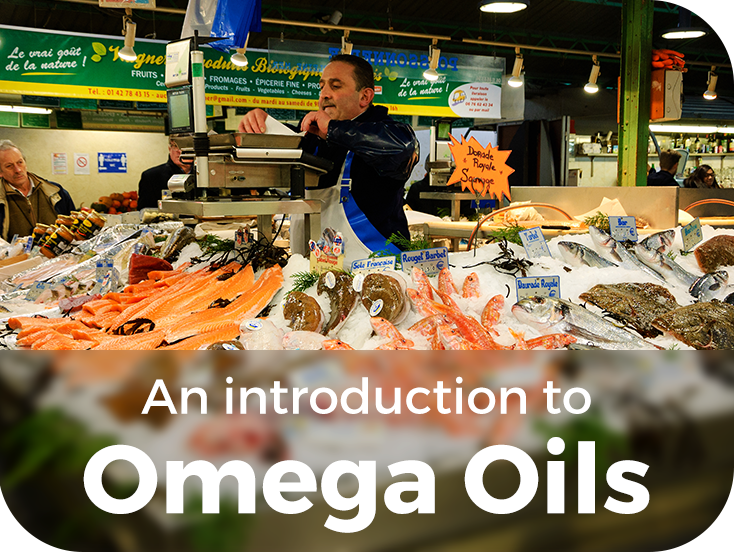 What are essential fatty acids and why are they important?
Omega-3 is an essential fatty acid because the body cannot produce it, therefore it is necessary for us to obtain it through diet. Omega-3 fatty acids have many important health benefits, including a role in reducing inflammation and in heart, brain, and nervous system health. According to a Mintel - Attitudes towards Healthy Eating – UK, February 2017 Report, 29% of UK adults believe they are not getting enough ‘good’ fats (such as omega-3).
What are essential fatty acids and why are they important?
Omega-3 is an essential fatty acid because the body cannot produce it, therefore it is necessary for us to obtain it through diet. Omega-3 fatty acids have many important health benefits, including a role in reducing inflammation and in heart, brain, and nervous system health. According to a Mintel - Attitudes towards Healthy Eating – UK, February 2017 Report, 29% of UK adults believe they are not getting enough ‘good’ fats (such as omega-3).
 Heart attacks are one of the leading causes of death in the UK. With as many as 30,000 out-of-hospital cardiac arrests occurring each year, survival rates can be as low as 1 in 10. It’s the severity of such medical events that means it’s important to not only recognise the symptoms of a heart attack but to understand how you can reduce your risk of falling victim.
This is because survival rates are significantly increased for those whose cardiac arrests occur in a hospital environment, and indeed, around 1.4 million of the UK’s current residents are heart attack survivors.
The simplest way to increase your likelihood of falling into this category is to educate yourself on what the symptoms of a heart attack look like, as immediate medical treatment is essential for those who are suffering or about to suffer a cardiac arrest.
According to the NHS, tell-tale signs include:
• Pain in your chest, which can feel like you’re being pressed down on by a heavy object, and which may radiate outwards to your jaw, neck, arms, and back
• Shortness of breath
• A feeling of weakness or lightheadedness
• An overwhelming sense of anxiety
Heart attacks are one of the leading causes of death in the UK. With as many as 30,000 out-of-hospital cardiac arrests occurring each year, survival rates can be as low as 1 in 10. It’s the severity of such medical events that means it’s important to not only recognise the symptoms of a heart attack but to understand how you can reduce your risk of falling victim.
This is because survival rates are significantly increased for those whose cardiac arrests occur in a hospital environment, and indeed, around 1.4 million of the UK’s current residents are heart attack survivors.
The simplest way to increase your likelihood of falling into this category is to educate yourself on what the symptoms of a heart attack look like, as immediate medical treatment is essential for those who are suffering or about to suffer a cardiac arrest.
According to the NHS, tell-tale signs include:
• Pain in your chest, which can feel like you’re being pressed down on by a heavy object, and which may radiate outwards to your jaw, neck, arms, and back
• Shortness of breath
• A feeling of weakness or lightheadedness
• An overwhelming sense of anxiety
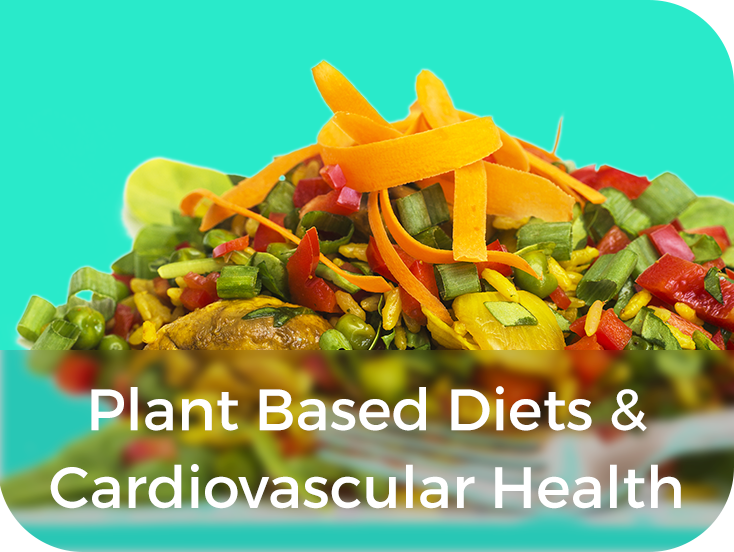
 Vegan and plant-based diets have many benefits. As well as countering the moral and ethical issues associated with eating meat, they have been shown to improve health in certain areas, such as by lowering the risk of cardiovascular disease and decreasing blood pressure and cholesterol levels.
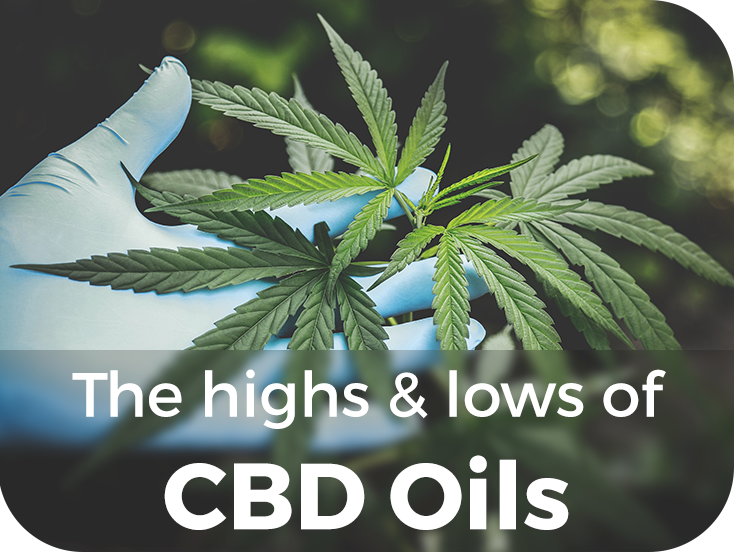 For the last couple of years, practitioners have asked, why doesn't Conella stock any form of CBD oils, when a reported quarter of a million people in the UK took cannabis CBDs in 2018. which has naturally led to CBD oils becoming a hot topic among the CAM profession, with practitioners frequently debating their merits, without fully understanding the potential pitfalls of this action.